Allergens and Dietary Tags — Communicating What You Need on Meal
May 05, 2026
|
allergens
dietary-needs
halal
vegetarian
diabetic
communication
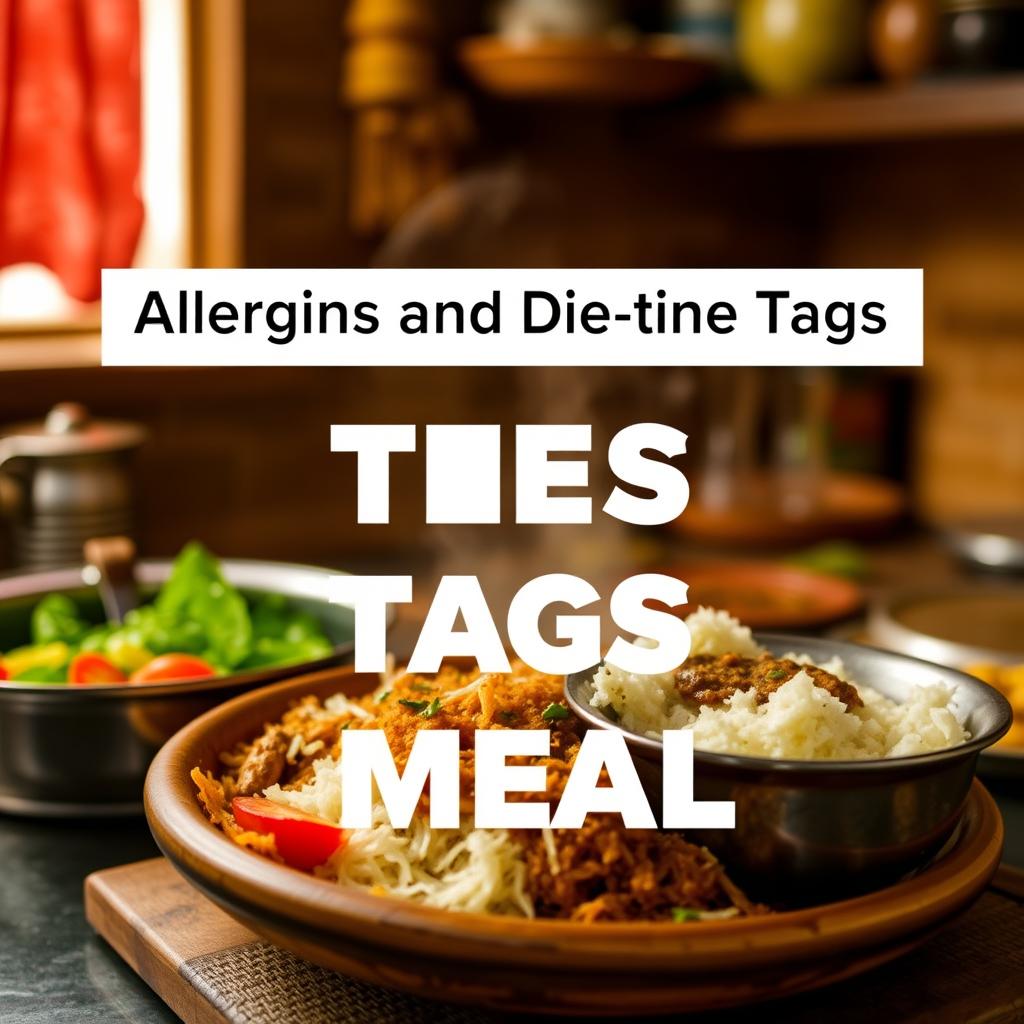
Ordering food when you have dietary restrictions can be stressful. In a restaurant, you read the menu and hope the kitchen understands your note about no peanuts. On Meal, you have something better: a direct line to the person cooking your food. But that only works if you know how to communicate clearly.
**The halal default**
Let us address this first because it is the simplest: all food on Meal is halal by default. Every bhabi on the platform is a Bangladeshi Muslim household cook. The meat is sourced from local bazaars where halal slaughter is standard practice. You do not need to ask about this.
If you have specific halal requirements beyond the standard — for example, you only accept meat from a specific certification — mention it in your order note or message the bhabi directly.
**Vegetarian and vegan orders**
Bangladesh does not have a large vegetarian culture compared to India, so "vegetarian" means different things to different people here. Some bhabis might consider fish-based dishes vegetarian (since many Bangladeshi families categorize fish separately from "meat"). Be specific.
If you want strictly no animal products, say so clearly. "আমি শুধু সবজি, ডাল আর ভাত চাই — মাছ, মাংস, ডিম কিছুই না" leaves no room for misunderstanding. The Bangla is important here because your bhabi might not be comfortable reading English dietary terms.
Most bhabis can accommodate vegetarian orders easily — Bangladeshi cuisine has dozens of excellent vegetable and lentil dishes that are naturally meatless. Shukto, labra, cholar dal, aloo bharta, begun bhaja, mixed vegetable curry — these are everyday items that happen to be vegetarian.
Vegan is harder. Ghee (clarified butter) is used extensively in Bangladeshi cooking, often without the cook thinking of it as an "animal product." If ghee is a concern, you need to mention it explicitly. Same for dairy in desserts — payesh, firni, roshomalai all use milk.
**Common Bangladeshi allergens**
The major allergens in Bangladeshi cuisine are not always the same ones you see on Western allergy lists. Here are the most relevant for Meal customers:
Shrimp and prawn (চিংড়ি): Extremely common in Bengali cooking. Even if your dish does not contain shrimp, cross-contamination is possible if the bhabi cooked shrimp curry in the same kitchen that day. If you have a shellfish allergy, ask: "আজ কি আপনার রান্নাঘরে চিংড়ি রান্না হয়েছে?"
Hilsa fish (ইলিশ): Some people react to hilsa specifically while tolerating other fish. During ilish season (August-October), many bhabis cook multiple hilsa dishes. Cross-contamination risk is higher.
Mustard (সরিষা): Mustard oil and mustard paste are foundational in Bengali cooking. Shorshe ilish, shorshe bata diye maach — mustard is everywhere. If you have a mustard allergy, this significantly limits what you can order from a typical Bangladeshi kitchen. Be upfront with your bhabi.
Nuts (বাদাম): Cashews, peanuts, and almonds appear in korma, polao, desserts, and sometimes in unexpected places like chutneys. Nut allergies are serious — if you have one, explicitly ask about every dish.
Eggplant (বেগুন): Less commonly known as an allergen, but oral allergy syndrome with eggplant is not rare in Bangladesh. Begun bhaja and begun bhorta are extremely popular — if eggplant is an issue, flag it.
**Diabetic-friendly cooking**
Many Meal customers are managing diabetes or pre-diabetes. Bangladeshi cuisine, as traditionally cooked, tends to be rice-heavy and oil-heavy — both concerns for blood sugar management.
Here is how to work with your bhabi:
Request brown rice or less rice. Many bhabis can substitute brown rice for white rice if you ask in advance. Some offer roti or chapati as alternatives.
Ask for less oil. "একটু কম তেলে রান্না করা যাবে?" is a reasonable request. Most bhabis can adjust — they already cook lighter versions for their own family members with health concerns.
Avoid or reduce sweets in the meal set. If the daily set includes payesh or mishti, ask to swap it for an extra vegetable or skip it entirely.
Request more protein, less carbohydrate. "ভাত কম, তরকারি একটু বেশি দেবেন" — this simple instruction helps balance the plate.
**No-onion, no-garlic (পেঁয়াজ-রসুন ছাড়া)**
Some customers avoid onion and garlic for health or personal reasons. This is a significant modification in Bengali cooking — onion and garlic are the base of most curries. But it is possible. Many sattvic cooking traditions in Bangladesh exist, and bhabis who are familiar with these can prepare excellent food without onion or garlic.
The key is advance notice. This is not a last-minute modification. A bhabi needs to plan her cooking differently if she is omitting onion and garlic from scratch.
**How to communicate effectively**
When ordering, use the "Special Instructions" field. But also send a direct message to your bhabi, especially for serious allergies. The special instructions field might be overlooked in a busy cooking session. A direct message gets her attention.
Be specific and use Bangla. "অ্যালার্জি আছে" is too vague. "চিংড়িতে আমার তীব্র অ্যালার্জি — চিংড়ি একদম চলবে না, চিংড়ি রান্না করা পাত্রও ব্যবহার করবেন না" is clear and actionable.
For recurring orders, you only need to explain once. After the first order, your bhabi knows your restrictions. But confirm at the start of each new season — a bhabi might change her recipes or introduce new ingredients she did not use before.
**Dietary tags on profiles**
Meal allows bhabis to tag their profiles with dietary compatibility labels: vegetarian-friendly, diabetic-options-available, nut-free-kitchen, low-oil-cooking. These tags help you filter, but they are self-reported. For serious allergies, always verify directly with the bhabi before ordering.
We are working on making these tags more standardized and verified. For now, treat them as helpful indicators, not guarantees.
**The bottom line**
The best thing about ordering from a person instead of a restaurant is that you can talk to that person. Use that advantage. A two-line message before your first order can prevent a bad experience. Your bhabi wants to feed you well — help her do that by telling her what you need.
**The halal default**
Let us address this first because it is the simplest: all food on Meal is halal by default. Every bhabi on the platform is a Bangladeshi Muslim household cook. The meat is sourced from local bazaars where halal slaughter is standard practice. You do not need to ask about this.
If you have specific halal requirements beyond the standard — for example, you only accept meat from a specific certification — mention it in your order note or message the bhabi directly.
**Vegetarian and vegan orders**
Bangladesh does not have a large vegetarian culture compared to India, so "vegetarian" means different things to different people here. Some bhabis might consider fish-based dishes vegetarian (since many Bangladeshi families categorize fish separately from "meat"). Be specific.
If you want strictly no animal products, say so clearly. "আমি শুধু সবজি, ডাল আর ভাত চাই — মাছ, মাংস, ডিম কিছুই না" leaves no room for misunderstanding. The Bangla is important here because your bhabi might not be comfortable reading English dietary terms.
Most bhabis can accommodate vegetarian orders easily — Bangladeshi cuisine has dozens of excellent vegetable and lentil dishes that are naturally meatless. Shukto, labra, cholar dal, aloo bharta, begun bhaja, mixed vegetable curry — these are everyday items that happen to be vegetarian.
Vegan is harder. Ghee (clarified butter) is used extensively in Bangladeshi cooking, often without the cook thinking of it as an "animal product." If ghee is a concern, you need to mention it explicitly. Same for dairy in desserts — payesh, firni, roshomalai all use milk.
**Common Bangladeshi allergens**
The major allergens in Bangladeshi cuisine are not always the same ones you see on Western allergy lists. Here are the most relevant for Meal customers:
Shrimp and prawn (চিংড়ি): Extremely common in Bengali cooking. Even if your dish does not contain shrimp, cross-contamination is possible if the bhabi cooked shrimp curry in the same kitchen that day. If you have a shellfish allergy, ask: "আজ কি আপনার রান্নাঘরে চিংড়ি রান্না হয়েছে?"
Hilsa fish (ইলিশ): Some people react to hilsa specifically while tolerating other fish. During ilish season (August-October), many bhabis cook multiple hilsa dishes. Cross-contamination risk is higher.
Mustard (সরিষা): Mustard oil and mustard paste are foundational in Bengali cooking. Shorshe ilish, shorshe bata diye maach — mustard is everywhere. If you have a mustard allergy, this significantly limits what you can order from a typical Bangladeshi kitchen. Be upfront with your bhabi.
Nuts (বাদাম): Cashews, peanuts, and almonds appear in korma, polao, desserts, and sometimes in unexpected places like chutneys. Nut allergies are serious — if you have one, explicitly ask about every dish.
Eggplant (বেগুন): Less commonly known as an allergen, but oral allergy syndrome with eggplant is not rare in Bangladesh. Begun bhaja and begun bhorta are extremely popular — if eggplant is an issue, flag it.
**Diabetic-friendly cooking**
Many Meal customers are managing diabetes or pre-diabetes. Bangladeshi cuisine, as traditionally cooked, tends to be rice-heavy and oil-heavy — both concerns for blood sugar management.
Here is how to work with your bhabi:
Request brown rice or less rice. Many bhabis can substitute brown rice for white rice if you ask in advance. Some offer roti or chapati as alternatives.
Ask for less oil. "একটু কম তেলে রান্না করা যাবে?" is a reasonable request. Most bhabis can adjust — they already cook lighter versions for their own family members with health concerns.
Avoid or reduce sweets in the meal set. If the daily set includes payesh or mishti, ask to swap it for an extra vegetable or skip it entirely.
Request more protein, less carbohydrate. "ভাত কম, তরকারি একটু বেশি দেবেন" — this simple instruction helps balance the plate.
**No-onion, no-garlic (পেঁয়াজ-রসুন ছাড়া)**
Some customers avoid onion and garlic for health or personal reasons. This is a significant modification in Bengali cooking — onion and garlic are the base of most curries. But it is possible. Many sattvic cooking traditions in Bangladesh exist, and bhabis who are familiar with these can prepare excellent food without onion or garlic.
The key is advance notice. This is not a last-minute modification. A bhabi needs to plan her cooking differently if she is omitting onion and garlic from scratch.
**How to communicate effectively**
When ordering, use the "Special Instructions" field. But also send a direct message to your bhabi, especially for serious allergies. The special instructions field might be overlooked in a busy cooking session. A direct message gets her attention.
Be specific and use Bangla. "অ্যালার্জি আছে" is too vague. "চিংড়িতে আমার তীব্র অ্যালার্জি — চিংড়ি একদম চলবে না, চিংড়ি রান্না করা পাত্রও ব্যবহার করবেন না" is clear and actionable.
For recurring orders, you only need to explain once. After the first order, your bhabi knows your restrictions. But confirm at the start of each new season — a bhabi might change her recipes or introduce new ingredients she did not use before.
**Dietary tags on profiles**
Meal allows bhabis to tag their profiles with dietary compatibility labels: vegetarian-friendly, diabetic-options-available, nut-free-kitchen, low-oil-cooking. These tags help you filter, but they are self-reported. For serious allergies, always verify directly with the bhabi before ordering.
We are working on making these tags more standardized and verified. For now, treat them as helpful indicators, not guarantees.
**The bottom line**
The best thing about ordering from a person instead of a restaurant is that you can talk to that person. Use that advantage. A two-line message before your first order can prevent a bad experience. Your bhabi wants to feed you well — help her do that by telling her what you need.
